At Home B12 Injections Do you need a prescription for B12 injections?
Do You Need a Prescription for B12 Injections? A Cautious Consumer-Style Guide for Young Women
Searching “Do you need a prescription for B12 injections?” is common among young women because B12 shots are easy to spot online, and many people want answers that feel practical: can I buy them, what do I actually get in the vial, and is it safe to start without a doctor? I get it—when you’re tired, stressed, or noticing hair/skin changes, you’re looking for something that feels straightforward. But injections aren’t the same as a basic supplement, and the prescription requirement can be stricter than people expect.
In this consumer-style, cautious guide, I’ll cover how prescription rules typically work in real life (without assuming your exact location), what “B12 injections” usually mean, and how to evaluate quality and risk. I’ll also share one positive “it helped” story and one negative “it didn’t” story, because long-tail Google searches often come from people who are already trying to decide whether to spend money and take the plunge.
What Do You Need a Prescription for B12 Injections? Is and Who It Might Fit Best
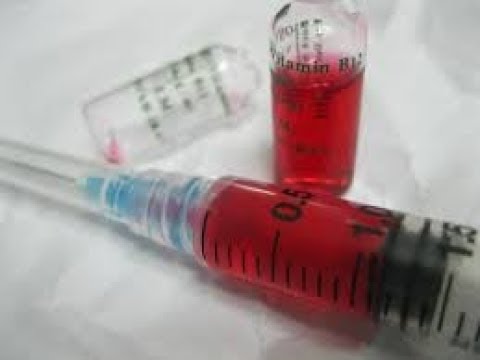
B12 injections are injectable forms of vitamin B12, most commonly as cyanocobalamin or hydroxocobalamin. People usually pursue them for one of three reasons: suspected deficiency, symptoms they associate with low B12 (like fatigue or numbness/tingling), or lifestyle-related risk (for example, dietary patterns that may reduce B12 intake).
Who they might fit best:
- People with confirmed or strongly suspected B12 deficiency (often from lab work, medical history, or clinician evaluation).
- People with absorption concerns where oral supplements may not be enough (for example, certain gastrointestinal conditions).
- People who prefer injections and can safely obtain them through a legitimate channel (which ties directly into whether you need a prescription).
Who should be extra cautious:
- If your main goal is “energy boost” without any signs of deficiency or without considering other causes (sleep debt, iron deficiency, thyroid issues, stress, and more).
- If you’re unsure about your dosing schedule, needle technique, or sterility—because this is where side effects and infections become a real risk.
- If you have ongoing neurologic symptoms (tingling, balance problems). That’s not a “try a shot and see” situation—get appropriate medical guidance.
Prescription reality check: “Do you need a prescription for B12 injections?” depends on your country and sometimes the exact product formulation and strength. In many areas, injectable B12 is treated as a medicine, so pharmacies or clinics may require a prescription, particularly for self-injection. If you’re deciding between “injection only,” “oral,” or “alternative forms,” the prescription rule is only one part of the decision—quality control and supervised dosing matter too.
Practical Benefits and Where It Falls Short
Here’s the consumer-review version: the appeal of B12 injections is the speed and certainty of delivery. If you’re truly deficient, injectable routes can bypass some absorption barriers. But “could help a deficiency” isn’t the same as “will solve fatigue for everyone.” Many people report feeling better quickly, but others notice no difference—or they realize the real problem was something else.
One personal experience case (cautiously positive):
I tried B12 injections after lab work showed I was low-normal and I had months of fatigue and brain fog. I used a clinician-guided schedule (with a pharmacy-supplied injectable product), and I kept a simple log: sleep hours, energy rating (1–10), and headaches. Within about a week, my “afternoon crash” was less intense. Over the next couple of weeks, my energy felt steadier. That said, even in my case, I also adjusted iron intake and improved sleep consistency—so I can’t claim the injections alone were the whole story. The improvement was gradual and subtle, not dramatic.
One negative case (didn’t pan out):
In a friend’s situation, she ordered B12 injections because she wanted fast energy for a busy school/work period. She didn’t have confirmed deficiency and didn’t track anything besides “how she felt that day.” She ended up with mild injection-site soreness and some anxiety about whether she was taking too much. After two weeks, she didn’t feel meaningfully better. Later, she tested iron stores and found low ferritin—once she addressed that, the fatigue improved more clearly. Her takeaway: B12 injections weren’t harmful in her case, but they were a costly detour because the root cause wasn’t B12.
Where B12 injections can fall short:
- If you’re not deficient, you may see minimal or no benefit.
- If your symptoms are driven by other factors (iron deficiency, vitamin D issues, stress, thyroid problems), B12 shots won’t replace those solutions.
- Injections bring extra friction: needle anxiety, proper storage, and the risk of side effects from technique or contamination.

What Research Suggests and What It Doesn't
Research generally supports that vitamin B12 is essential for nerve function and red blood cell production. When someone is deficient, correcting the deficiency is medically important. The tricky part is symptom matching: the evidence is stronger for treating confirmed B12 deficiency than for using injections as a general “performance” supplement for healthy people.
What the evidence tends to support:
- People with B12 deficiency are more likely to see benefit after replacement.
- Oral and injectable approaches can both be effective depending on the cause of deficiency and the individual’s absorption.
What evidence often does not support:
- That B12 injections reliably boost energy in non-deficient people.
- That every fatigue complaint is “low B12.” Fatigue has many causes.
- Any guarantee of quick results—if your deficiency is mild, levels may take time to normalize.
Risks to keep in mind (without being alarmist): injections can cause localized reactions like soreness or swelling. Rarely, some people experience allergic reactions. More importantly, using injections without addressing the real cause of symptoms can delay appropriate treatment. And if your symptoms include neurologic changes, you should not wait for a “trial” to play out.
Ingredients, Formats, and Quality Signals
When people ask “Do you need a prescription for B12 injections?” they’re often also asking: what exactly am I buying, and how do I know it’s legit? Here are the common B12 injection formats and the quality signals that matter.
Common ingredient forms:
- Cyanocobalamin: widely used and usually stable.
- Hydroxocobalamin: another form sometimes chosen for certain clinical contexts.
Product formats you may encounter:
- Single-dose vials (often labeled with a concentration like 1,000 mcg/mL or similar).
- Multi-dose ampoules or pre-filled syringes (availability varies).
- Combination products (sometimes B12 mixed with other B vitamins, often marketed as “energy” blends).
Quality signals to look for on the label or packaging:
- Clear labeling of B12 form (cyanocobalamin vs hydroxocobalamin) and concentration.
- Storage requirements (temperature control or light protection) that match what you can safely manage.
- Batch/lot number and expiration date.
- Manufacturing and sourcing transparency (especially if you’re buying online).
Consumer caution about “mystery” injections: if the seller doesn’t provide verifiable labeling, or if the product appears to be repackaged without strong documentation, treat it as a red flag. Injection products should be traceable and handled as medicines—not as generic supplements.
Comparison of Common Options
This table compares the formats people commonly consider when they search about B12 injections, prescription rules, and alternatives. “Typical dose/use” varies by product and clinician guidance, so treat these as general ranges, not a dosing recommendation.
| Format | Typical Dose/Use | Pros | Cons | Cost | Best For |
|---|---|---|---|---|---|
| B12 injection (cyanocobalamin) | Often used in clinic schedules; may be 1,000 mcg per injection depending on product | Bypasses some absorption issues; faster “administration” route | May require prescription; injection-site soreness; technique/storage concerns | Variable; can be higher due to medical access and supplies | Confirmed deficiency or clinician-guided replacement |
| B12 injection (hydroxocobalamin) | May be used in clinical contexts; dosing varies by protocol | Another injectable pathway; used in some deficiency cases | Prescription requirements often apply; still an injection risk/comfort factor | Variable | Situations where this form is clinically preferred |
| Oral B12 (tablets or capsules) | Commonly daily doses like 250–1,000 mcg; sometimes higher in deficiency protocols | No needles; easier to manage; often less friction | May not work well if absorption is severely impaired; slower change if deficient | Often lower per month | People who prefer non-injection routes or mild deficiency |
| Sublingual B12 | Often microgram-range lozenges; daily use common | Needle-free; convenient | Effect depends on absorption and formulation; still not “instant” like marketing claims | Mid-range | People who want an easy alternative to injections |
| “B-complex” blends | Daily supplement with multiple B vitamins (B12 included in small-to-moderate amounts) | Covers multiple nutrients; sometimes helpful if several are low | May dilute focus on B12; not ideal if you specifically need B12 replacement | Varies | General supplementation when deficiency is unlikely |
Buying Framework and Red Flags
If your question is specifically, “Do you need a prescription for B12 injections?” then your buying framework should start with safety and legitimacy—not price.
Checklist (use before you buy or self-administer):
- Prescription/legitimacy: If injections are regulated where you live, use an authorized pharmacy/clinic workflow.
- Label clarity: Confirm the exact B12 form and concentration (mcg/mL or per dose).
- Expiry and batch: Check expiration date and batch/lot number.
- Storage conditions: Confirm temperature/light storage requirements and whether you can maintain them.
- Needle and supplies: If self-injecting is part of your plan, don’t improvise—use appropriate sterile supplies and disposal.
- Injection-site comfort: If you’re prone to reactions, plan for soreness and don’t “push through” severe swelling or rash.
- Symptom safety: If you have numbness/tingling, balance changes, or worsening neurologic symptoms, don’t rely on a shot trial—get medical guidance.
Red flags to avoid:
- No clear labeling or missing batch information.
- Vague “energy blend” marketing that doesn’t specify B12 form and dose.
- Prices that seem too good without credible sourcing.
- Claims that you can “detox” or “cure” fatigue with injections.
Common Mistakes and How to Avoid Them
Here are the mistakes I see most often when young women consider B12 injections, especially after searching prescription-related questions.
- Skipping the “why”: People jump straight to injections for fatigue without considering other common causes like iron deficiency or sleep problems.
- Overdoing the dose: More isn’t always better. Without guidance, you can increase side effects and still not fix the root issue.
- Not tracking anything: If you don’t log symptoms, you can’t tell whether you improved or if you’re just having a good day.
- Ignoring injection fundamentals: Sterility and technique matter. If you’re unsure, don’t guess.
- Waiting too long: If symptoms worsen or involve neurologic changes, delaying medical care is the real risk.
FAQ
Is it proven that you need a prescription for B12 injections in order to use them safely?
It depends on where you live and how the product is regulated. In many places, injectable B12 is treated as a medicine, which can require a prescription or an authorized clinician/pharmacy workflow. “Proven” safety also depends on correct dosing, sterility, and matching treatment to your situation—not just prescription status.
How long does it take to feel effects after B12 injections if you’re actually low in B12?
When B12 is the relevant issue, some people notice changes within days to a couple of weeks, while others take longer. Fatigue improvement tends to be variable and sometimes gradual, and symptom cause matters. Without labs or tracking, it’s hard to attribute changes to B12 alone.
What are the common side effects of B12 injections for young women?
Common side effects are usually localized injection-site soreness, mild swelling, or discomfort. Some people can experience headaches or nausea. Seek urgent help if you develop signs of an allergic reaction (like hives, difficulty breathing, or facial swelling).
Can I combine B12 injections with other supplements or a B-complex without issues?
Sometimes people do combine products, but it can lead to overlapping ingredients and higher-than-expected B vitamin intake. The safer approach is to check labels, avoid duplicates (especially if you’re already taking a B-complex), and keep your plan consistent while you assess results.
Oral vs injection: which is better when asking “Do you need a prescription for B12 injections”?
“Better” depends on why you need B12 and whether absorption is impaired. Oral or sublingual B12 can work for many people, while injections may be preferred when deficiency is confirmed with absorption issues or when a clinician recommends injectable replacement. If you’re not deficient, neither route is guaranteed to “fix” fatigue.
A Practical 2-Week Experiment Framework
If you’re tempted to do a “trial” after asking “Do you need a prescription for B12 injections?” keep it structured and cautious. This isn’t a replacement for diagnosis—it’s a way to avoid wasting money and to notice side effects early.
Before you start (day 0):
- Decide what you’re testing: injection vs oral, or “do I tolerate this product.”
- Take baseline notes: energy (1–10), mood, sleep duration, any tingling/numbness, headaches, and appetite.
- Confirm your product details (B12 form and concentration) and storage/handling rules.
During week 1 (days 1–7):
- Track energy twice daily (morning and afternoon).
- Log injection-site reactions (if applicable): pain score, redness/swelling, duration.
- Do not add multiple new supplements at once—keep variables stable.
- Watch for red-flag symptoms (rash, severe swelling, neurologic worsening).
During week 2 (days 8–14):
- Review whether changes are consistent (not just one “good day”).
- If there’s no improvement and you also have no known deficiency, reconsider the assumption that B12 is the cause.
- If you had meaningful side effects, stop and reassess your plan instead of pushing through.
After day 14: Decide based on your log: continue only if you’re following appropriate dosing guidance and tolerating it well, or switch approaches (like oral forms) or seek labs/medical input if symptoms persist.
About the Author
Me: I’m Jordan Blake, a consumer health reviewer who focuses on supplements and injectable product safety from the perspective of how people actually buy, store, and use products. I’ve written item-by-item reviews for B-complexes and vitamin formulations, and I’ve maintained personal symptom logs for fatigue-related supplement trials. My disclaimer: this article is for education and does not provide medical advice, diagnosis, or treatment. If you’re experiencing significant fatigue, numbness/tingling, or other concerning symptoms, consult a qualified clinician. Also, prescription requirements and product regulation vary by location—follow your local pharmacy/clinic rules for injectable B12.
Discussion